
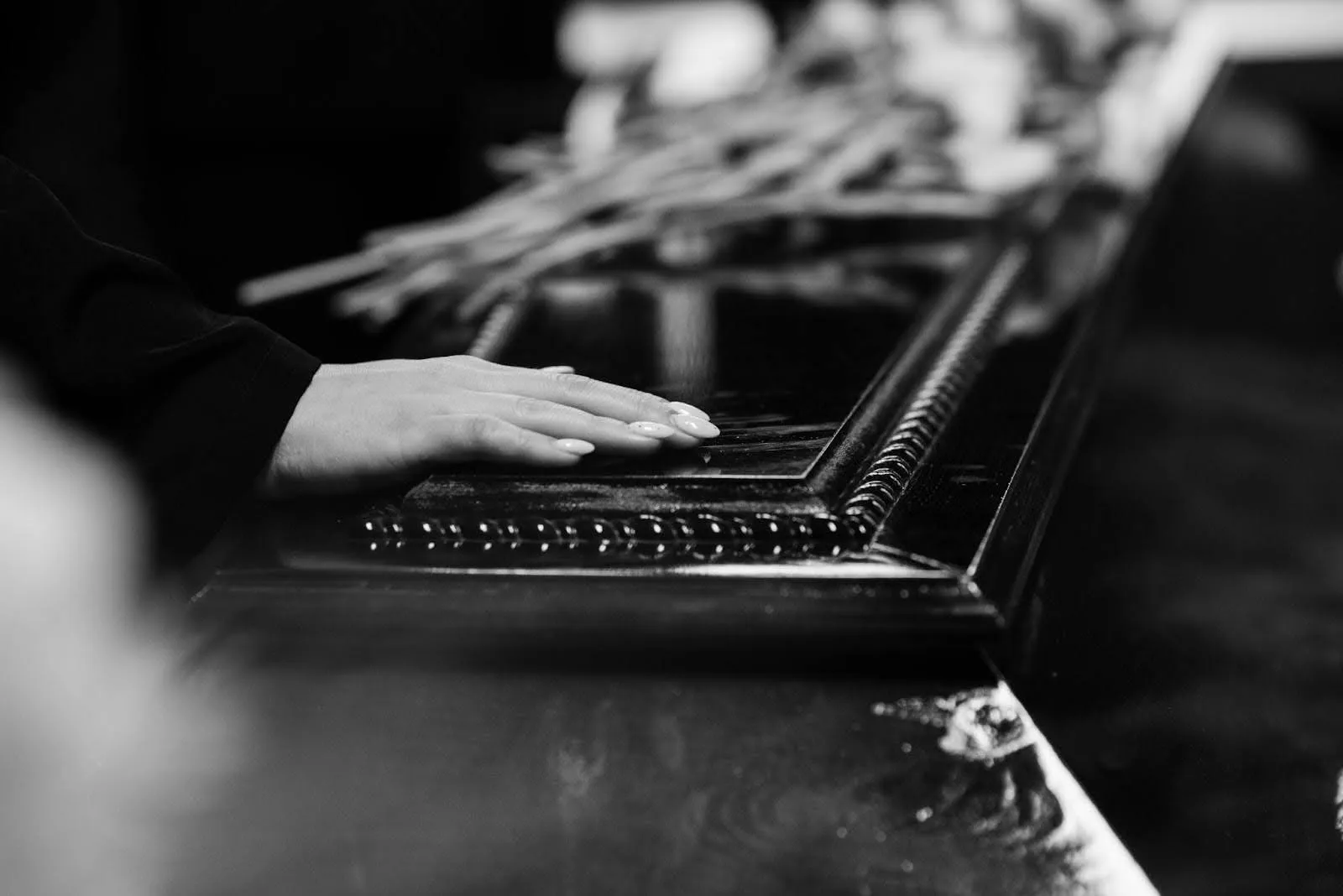
Deciding between an open or closed casket is one of the most significant choices you will make when arranging a funeral. In Singapore, this decision is often influenced by religious customs, the condition of the deceased, and National Environment Agency (NEA) regulations.
An open casket, typically featuring a glass viewing panel, allows for a final visual goodbye, aiding in closure. Conversely, a closed casket may be necessary due to infectious disease regulations, traumatic injury, or personal privacy. This guide explores these options to help you plan a dignified farewell.
Understanding the Difference: Open vs Closed Casket
In the context of Singaporean funerals, the terms “open” and “closed” casket carry a slightly different meaning compared to Western depictions you might see in films. Understanding these nuances is the first step in making an informed decision.
The Singaporean Open Casket (Viewing Casket)
When we speak of an open casket in Singapore, we rarely mean a coffin with the lid completely thrown back, exposing the body to the open air. Instead, the standard practice involves a casket designed with a viewing panel.
Most caskets used for HDB void deck wakes or funeral parlour services are fitted with a glass panel. This can be a “half-glass” design, where only the upper body and face are visible, or a “full-glass” design, which allows the entire body to be seen. The wooden or metal cover is removed or slid back to reveal this glass panel.
This design serves a practical purpose in our tropical climate. It allows family and friends to view the deceased clearly while keeping the body in a controlled, sanitary environment. It prevents insects/flies from disturbing the deceased and provides a barrier between the attendees and the embalmed body.
The Closed Casket
A closed casket means the coffin remains sealed shut throughout the entire duration of the wake and the funeral service. The interior is never revealed to the attendees.
In this arrangement, the focus of the wake shifts from the physical body to the memory of the person. A large, framed photograph is usually placed on top of the casket or on a floral stand immediately in front of it. This photograph becomes the focal point for paying respects.
Choosing a closed casket does not mean the funeral is any less dignified. It is simply a different way of honouring the deceased, often chosen to preserve a specific memory of the person when they were alive and well.
Cultural and Religious Perspectives in Singapore
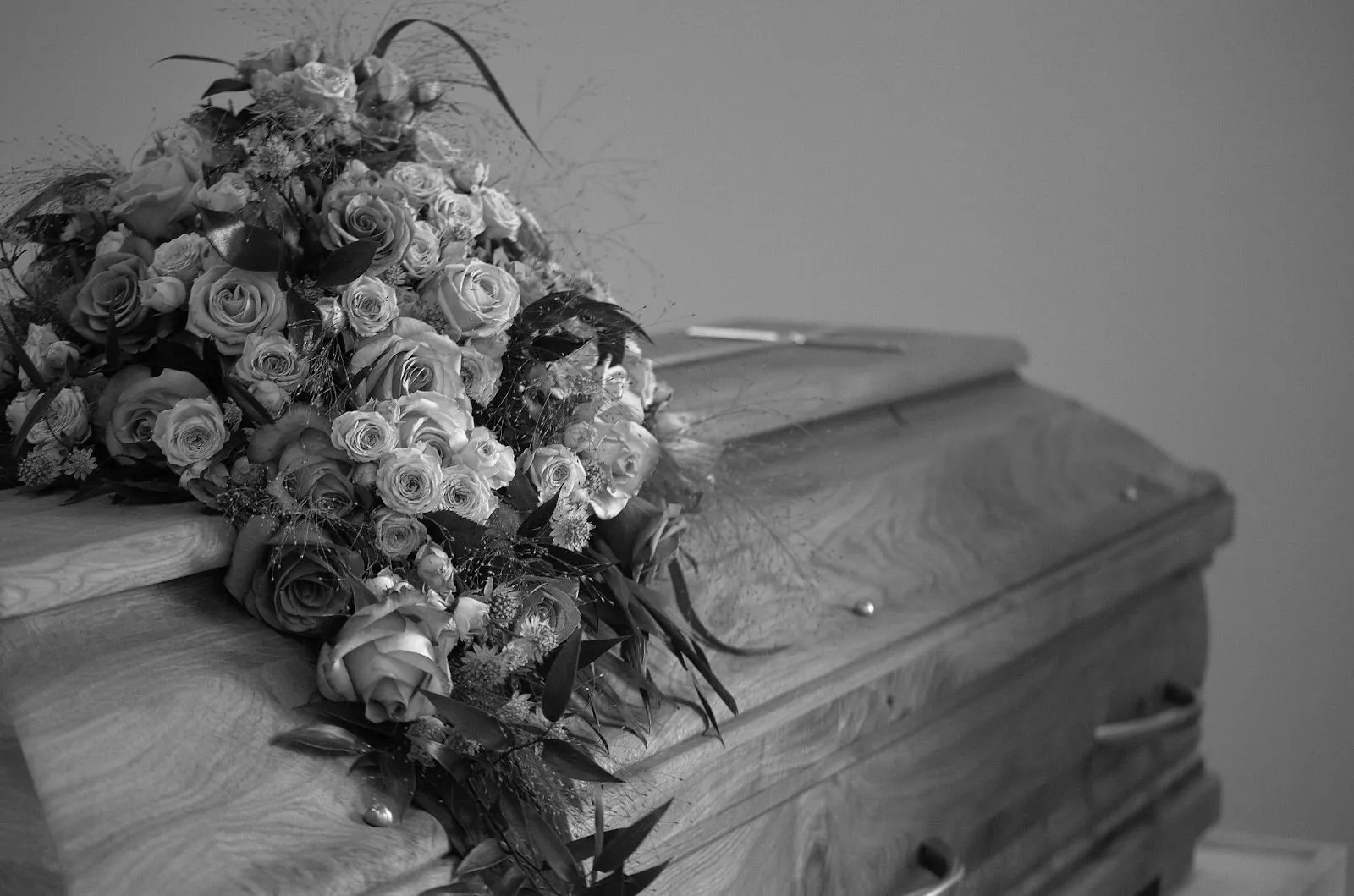
Singapore is a melting pot of cultures, and funeral rites are heavily dictated by religious traditions. Your background will likely play a major role in whether you opt for a viewing or a sealed coffin.
Buddhist Traditions
In Buddhist funerals, an open casket is the standard. The viewing of the body is considered an important act of “filial piety” for the children and a way for friends to pay their final respects. It allows the living to confront the reality of impermanence (Anicca).
However, there is a specific and crucial moment regarding the “closed” aspect. During the “Encoffining Ceremony” (when the body is placed into the casket) and the final “Sealing Ceremony” (before the hearse leaves for Mandai Crematorium or the burial ground), attendees are often instructed to turn away.
It is a common belief that observing the casket being sealed can bring bad luck or that one’s horoscope might clash with the event. Furthermore, it is believed that tears should not fall into the casket, as this would make it difficult for the spirit to leave. Therefore, while the casket is “open” for the wake, the act of “closing” it is a private ritual handled by the funeral director and religious monks, often shielded from the direct gaze of the family.
Taoist Traditions
Similar to Buddhist customs, Taoist funerals generally feature an open casket with a glass panel. The face of the deceased is usually covered with a coloured cloth (often yellow or white) or a piece of paper, which is only removed for viewing when visitors approach.
Taoist rituals regarding the closing of the casket are even more stringent. The sealing time must be calculated based on the deceased’s birth date and time of death to ensure it does not conflict with the zodiac signs of the family members. During the sealing process, the priest will loudly command everyone to look away or leave the immediate area to avoid “trapping” the spirit or inviting misfortune.
Christian and Catholic Faiths
For Christians and Catholics in Singapore, the approach is generally more flexible but leans heavily towards an open casket. Viewing the body is seen as a healthy part of the grieving process. It provides a moment to say goodbye, offer prayers, and acknowledge that the earthly life has ended while the soul has moved on.
There are fewer superstitions regarding the closing of the casket. Family members often gather around the casket for a final prayer or hymn before the lid is lowered. It is viewed as a tender moment of parting rather than a ritual fraught with spiritual danger.
Muslim Funerals
In Islamic tradition, the concept of a “casket” differs. The deceased is washed and wrapped in a plain white shroud (Kafan). While a coffin is used to transport the body to the cemetery (Pusara Aman), the body is typically buried without the coffin, directly in the earth, facing Mecca.
The funeral process is swift, usually occurring within 24 hours. Because of the shrouding and the speed of burial, the concept of a multi-day “open casket viewing” as seen in other religions does not apply in the same way. The face may be briefly uncovered for close family to see before the burial, but it is not a public display.
Hindu Traditions
Hindu funerals in Singapore often involve an open stretcher or a simple open coffin. The body is washed, dressed, and adorned with garlands. The viewing is integral to the rites, allowing family members to perform specific rituals, such as placing rice or coins near the deceased.
The body often remains visible during the procession to the crematorium. The burning of the physical body is a release of the soul, so seeing the body is a vital part of accepting this transition.
Critical Factors Influencing Your Decision
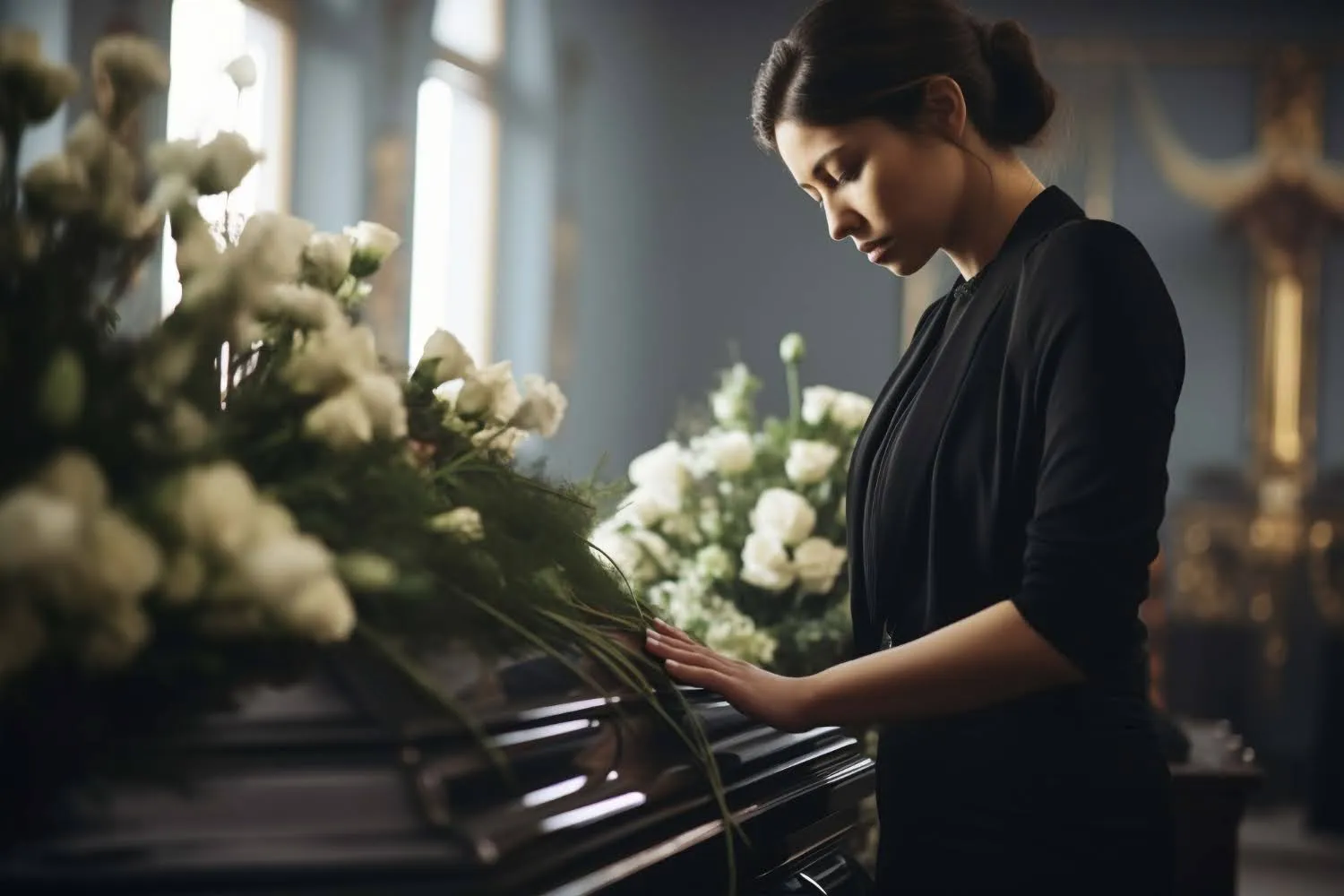
Beyond tradition, practical and regulatory factors in Singapore will dictate whether an open casket is even possible.
1. Condition of the Body
This is often the deciding factor.
- Natural Causes: If the deceased passed away from natural causes or old age, the body is usually in a condition suitable for viewing. Embalmers can use cosmetics to create a peaceful, “sleeping” appearance.
- Traumatic Death: In cases of severe accidents, falls, or fires where there is significant trauma to the face or body, a closed casket is strongly recommended. While restorative art exists, there are limits to what can be achieved. Seeing a loved one in a distorted state can be more traumatic than helpful for the family.
- Decomposition: If a death was undiscovered for a period (unattended death), decomposition changes such as discolouration, bloating, or odour may set in. In such cases, a closed casket is necessary for the comfort and hygiene of all attendees.
2. NEA Regulations and Infectious Diseases
The National Environment Agency (NEA) has strict guidelines regarding the handling of bodies with infectious diseases. These are categorized to protect public health.
- Standard Cases: For non-infectious deaths, you have the freedom to choose.
- Infectious Diseases: If the deceased passed away from a highly infectious pathogen (e.g., Anthrax, Ebola, or historically severe variants of COVID-19 during the height of the pandemic), the body must be double-bagged and placed in a hermetically sealed coffin.
- The Sealed Casket Rule: In these mandatory instances, the casket is sealed immediately at the hospital or mortuary. It cannot be opened for viewing at the wake or the crematorium. This is a non-negotiable regulation to prevent community spread.
3. The Necessity of Embalming
In Singapore, the climate plays a massive role in funeral logistics. We are a hot, humid, tropical country. Decomposition accelerates rapidly here.
- The 48-Hour Rule: If you plan to keep the body for a wake (at a void deck, parlour, or home) that lasts longer than 24 to 48 hours, embalming is practically mandatory.
- Why it Matters for Open Caskets: You cannot have an open casket wake for 3 to 5 days without embalming. The chemical process preserves the tissue and prevents odour. If you choose not to embalm (perhaps for religious or personal reasons), you typically cannot have an open casket wake unless the body is kept on dry ice (which is temporary and less effective for viewing) or in a refrigerated casket (which limits viewing access).
- Cost Implications: An open casket requires professional embalming, dressing, and makeup services. A closed casket, especially for a “direct cremation” (no wake), may bypass full embalming, potentially lowering costs. However, for a standard wake with a closed casket, arterial embalming is still often done for hygiene unless the casket is hermetically sealed.
4. Psychological Impact and Closure
Psychologists and grief counsellors often debate the merits of viewing the body.
- The Case for Open Casket: “Seeing is believing.” For many, death feels surreal. Seeing the loved one lying still helps the brain process the reality of the loss, moving the griever from denial to acceptance. It provides a distinct moment to say, “This is real, and this is goodbye.”
- The Case for Closed Casket: Some families prefer to remember the deceased as they were in life, active, smiling, and vibrant, rather than as a still, wax-like figure in a coffin. If the deceased suffered a long, wasting illness that drastically changed their appearance, the family might feel that an open casket would leave a painful final memory.
The Embalming Process: What Happens?
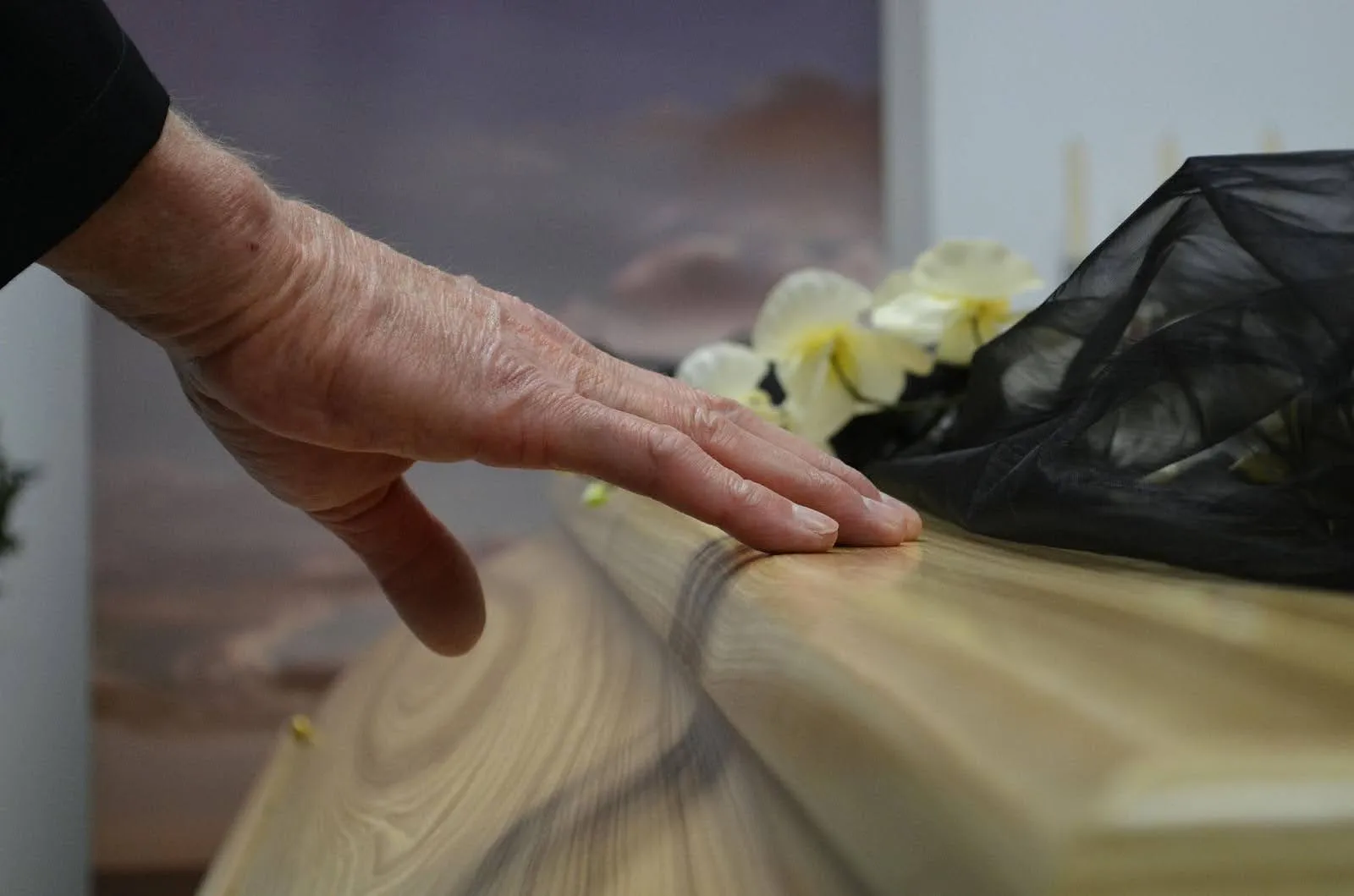
If you choose an open casket, you should understand what the preparation entails. In Singapore, professional embalmers are highly skilled.
- Sanitization: The body is washed and disinfected.
- Preservation: Arterial embalming involves injecting a formaldehyde-based solution into the arteries while draining blood from the veins. This slows decomposition and restores a natural skin tone.
- Dressing: The family provides a set of clothes, usually a favourite suit, dress, or religious attire. The embalmer dresses the deceased.
- Cosmetics: Makeup is applied to the face, neck, and hands to restore a lifelike appearance. This is crucial for open caskets to ensure the deceased looks peaceful.
- Casketing: The body is placed into the selected casket, positioned comfortably (often with a pillow), and the glass panel is cleaned and secured.
Common Misconceptions About Caskets in Singapore
There are several myths surrounding funeral caskets that can cause unnecessary stress.
- “Open casket means I have to touch the body.”
This is incorrect. In Singapore, the glass panel serves as a barrier. You can stand close, look, and pray, but you generally do not touch the body directly once it is in the casket. This is hygienic and protects the condition of the body. - “A closed casket means we are hiding something.”
Some people worry that guests will gossip if the casket is closed, assuming something terrible happened. In reality, people respect the family’s choice. It is perfectly acceptable to have a closed casket simply because the deceased was a private person who didn’t like being the centre of attention. - “The eyes might open.”
This is a biological myth. During the embalming process, the eyes are secured shut using eye caps or specific techniques. They will not open during the wake.
Etiquette for Attendees: Open vs Closed
If you are attending a funeral, knowing how to behave around the casket is a sign of respect.
At an Open Casket (Viewing)
- Approach with Respect: Walk slowly to the casket.
- Keep it Brief: If there is a queue, spend a few moments (10-30 seconds) paying your respects and then move away to allow others to view.
- Control Your Reactions: It can be emotional, but try to avoid loud outbursts of horror or shock regarding the appearance. If the makeup looks different than you remember the person, it is polite not to comment on it negatively to the family.
- No Photography: Unless you are the immediate family or have explicit permission, never take photos or videos of the deceased in the casket. This is considered highly disrespectful in Singapore.
At a Closed Casket
- Focus on the Photo: Direct your attention, bow, or prayer towards the portrait placed by the casket.
- Do Not Ask Why: It is rude to ask the bereaved family, “Why is the casket closed?” or “What happened to the body?” Assume there is a good reason and focus on comforting the living.
- Physical Contact: You may place your hand gently on the coffin lid (if custom permits) as a gesture of farewell, but follow the lead of others.
Conclusion On Open or Closed Casket Funeral
Choosing between an open or closed casket is a balance of tradition, regulation, and personal comfort. Whether you choose to allow viewing through a glass panel to facilitate a final goodbye, or opt for a closed casket to preserve a specific memory or adhere to safety guidelines, the decision is valid and respectful. The most important aspect is honouring the life lived and supporting the grieving family.
Navigating these choices during a time of loss can be overwhelming. You do not have to do it alone. For professional guidance on casket selection, embalming arrangements, and transparent advice on funeral planning in Singapore, contact us today. We are here to ensure your loved one receives a dignified send-off that aligns with your wishes and cultural needs.
Visit Funeral Guru for more resources on navigating bereavement in Singapore.
Frequently Asked Questions About Open or Closed Casket Funeral
What Is The Difference Between Open And Closed Casket?
An open casket allows attendees to view the body of the deceased, usually through a glass viewing panel in Singapore. This facilitates a visual goodbye and is common in many local traditions. A closed casket keeps the coffin sealed throughout the wake and service, with the body hidden from view; usually, a framed photo is displayed for attendees to pay their respects.
Why Do Some People Choose A Closed Casket?
Families may choose a closed casket due to the condition of the body, such as in cases of traumatic injury or advanced decomposition where viewing might be distressing. Others choose it for privacy, preferring to remember the deceased as they were in life. Additionally, NEA regulations may mandate a closed, sealed casket for deaths caused by certain infectious diseases.
Is Embalming Required For An Open Casket In Singapore?
Generally, yes. Due to Singapore’s tropical climate, bodies decompose quickly. If a wake is held at a void deck, parlour, or home for more than 24 to 48 hours, NEA regulations effectively require embalming to preserve the body and ensure it is sanitary for a public viewing.
Can You Have An Open Casket For A Cremation In Singapore?
You can have an open casket during the wake days leading up to the cremation. However, strictly speaking, the casket is closed and sealed before it is transported to the Mandai Crematorium service hall. At the service hall, the casket remains closed during the final committal, although the glass panel might still be visible until the very last moment before the curtains close.
What Is The Proper Etiquette For Viewing A Body?
When viewing a body, approach the casket slowly and respectfully. Pay your respects silently or with a quiet prayer. Do not touch the glass panel or the body. If others are waiting, keep your viewing brief. refrain from making loud comments about the appearance of the deceased, and never take photographs of the body without explicit family permission.
Do Buddhist Funerals In Singapore Have Open Caskets?
Yes, Buddhist funerals in Singapore typically feature an open casket with a glass viewing panel during the wake. This allows for last respects. However, during the specific “encoffining” (placing the body in the casket) and the final sealing of the casket, family members are customarily asked to look away or turn their backs to avoid bad luck.