
Losing a loved one is a difficult journey, and navigating the specific rites of a faith can feel overwhelming during a time of grief.
In Singapore, Catholic funeral traditions are a beautiful blend of deep religious significance and local customs that focus on offering prayers for the deceased while providing comfort to the bereaved. Understanding these practices helps families ensure a dignified farewell that honours their loved one’s faith.
This guide explains the core elements of a Catholic send-off to help you find clarity amidst the chaos of planning.
What Are The Main Catholic Funeral Traditions In Singapore?
The Vigil Wake (The Wake)
The wake is a watch or vigil held beside the body, typically lasting between three and five days. In Singapore, these are commonly held at HDB void decks, funeral parlours, or private residences.
- Recitation of the Rosary and Prayers: It is a core tradition for family and the church community to gather at the wake to pray for the soul of the departed. This often includes reciting the Rosary or holding prayer services led by a priest or lay ministers.
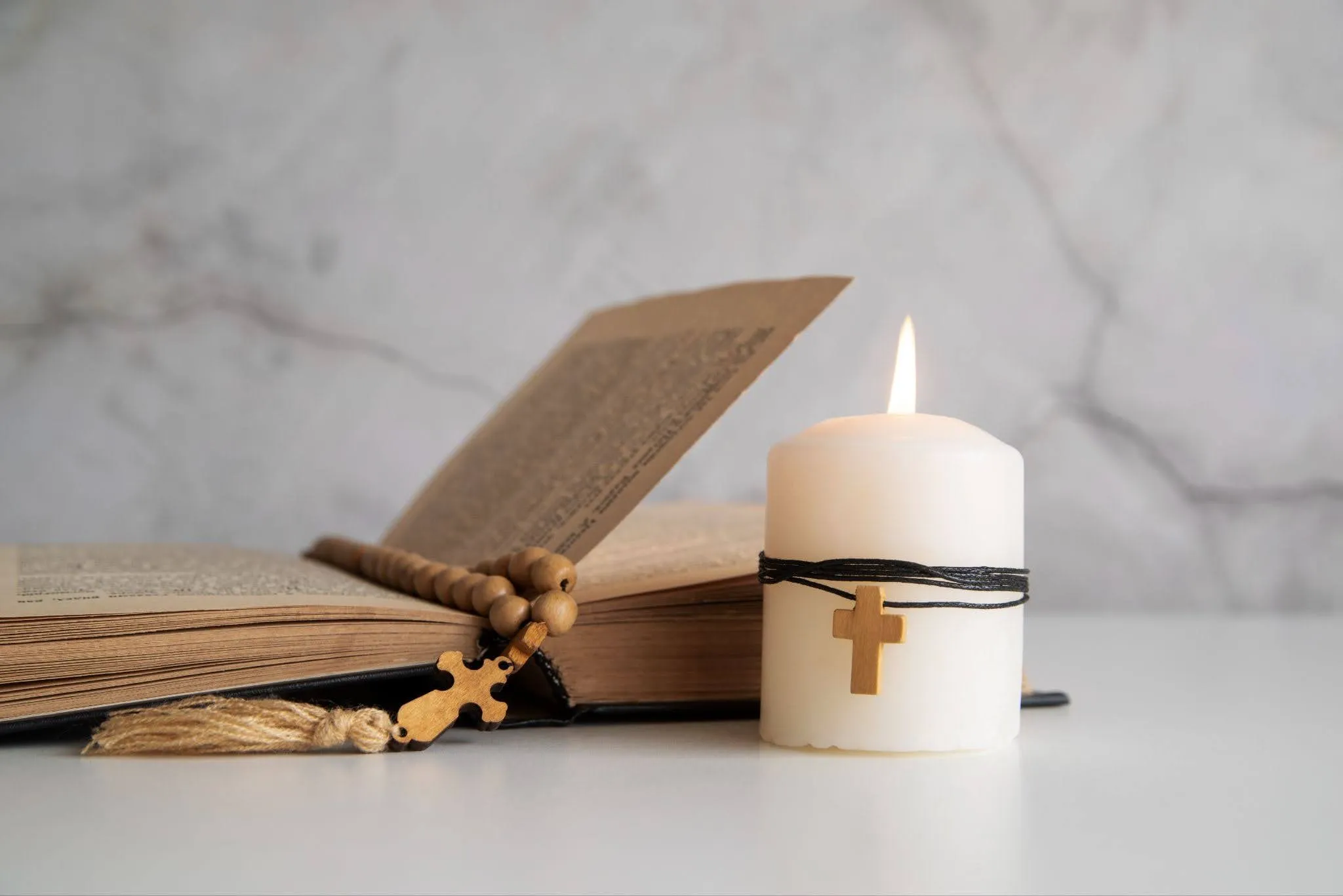
- The Altar and Crucifix: A simple altar is usually set up near the casket, prominently featuring a crucifix and often a photograph of the deceased.
- Condolence Gifts: Visitors often provide sympathy gifts or floral tributes. In the local context, giving condolence money (pek kim) is also a common cultural practice to help the next-of-kin with funeral expenses.
- Funeral Butler Support: Unique to services like Funeral Guru, a “Funeral Butler” may be present on-site to assist with daily rituals such as cleansing the altar and replenishing supplies, ensuring the space remains respectful and well-maintained.
The Funeral Liturgy (The Mass)
The funeral liturgy is the central religious celebration where the community commends the deceased to God’s mercy.
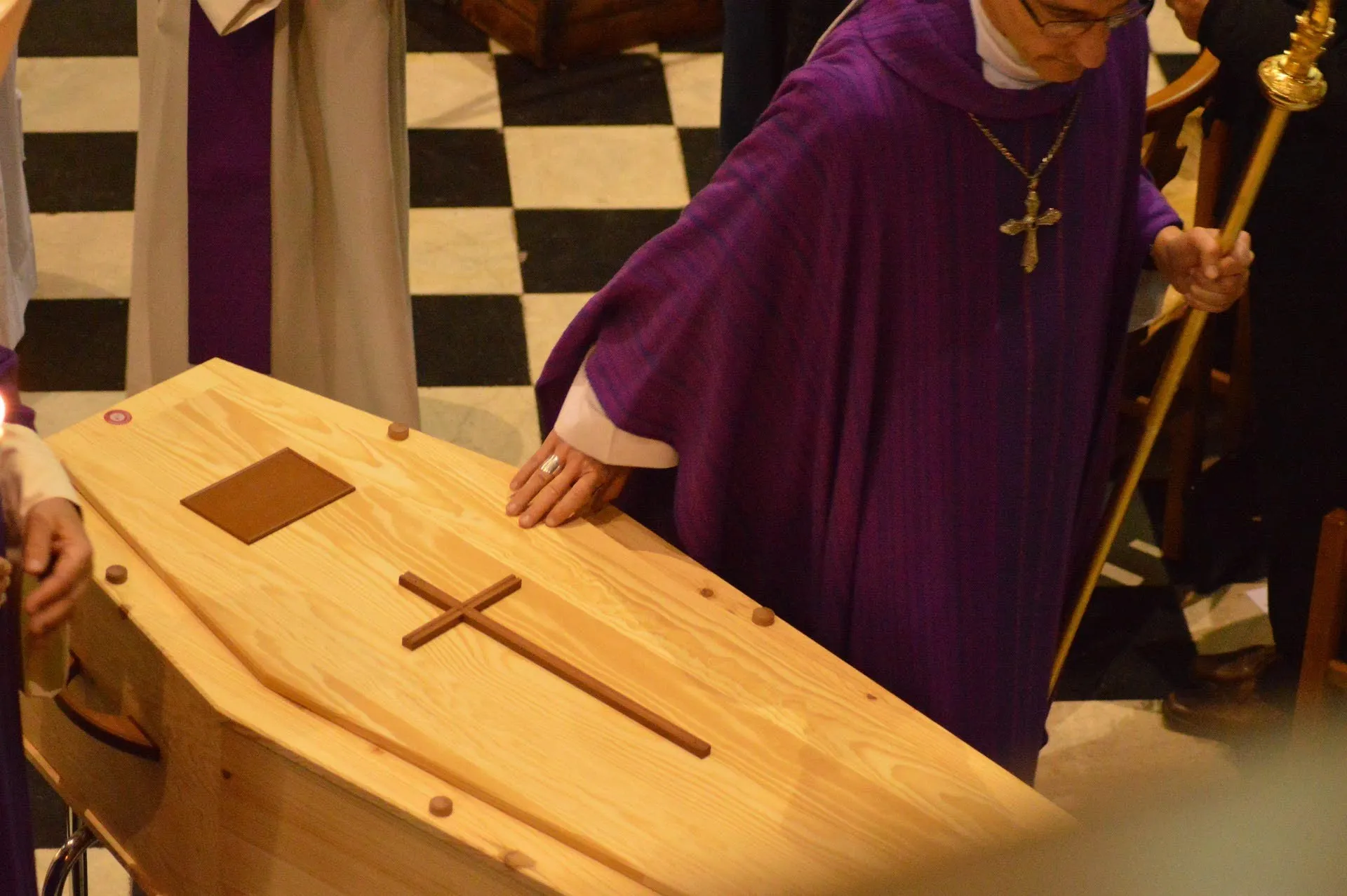
- Sprinkling of Holy Water: At the start of the mass, the casket is sprinkled with holy water as a reminder of the deceased’s baptism and their entry into eternal life.
- The Placing of the Pall: A white cloth, known as a pall, is often placed over the casket, further symbolising the baptismal garment and the equality of all people in the eyes of God.
- Homily and Scriptural Readings: The priest delivers a homily focused on the Paschal Mystery (the death and resurrection of Christ), providing scriptural comfort to those grieving.
- Eucharistic Celebration: While some services are Liturgies of the Word without a full mass, a full Funeral Mass including Holy Communion is the traditional preference for Catholic families.
The Rite Of Committal
The final tradition is the committal, which takes place at the place of interment.
- Burial vs. Cremation: While burial was historically preferred, the Catholic Church in Singapore widely accepts cremation due to local land constraints. Mandai Crematorium is the primary location for these services in Singapore.
- Final Prayers of Committal: The priest leads the family in final prayers at the graveside or crematorium chapel, committing the body back to the earth or fire in hope of the resurrection.
- Interment of Remains: If cremated, Catholic tradition requires that the ashes be treated with the same respect as the body; they are typically placed in an urn and interred in a sacred public storage facility known as a columbarium.
Essential Customs During A Catholic Vigil Wake
The wake is a vital period for the bereaved, offering the community a time to gather in prayer and support. In Singapore, these vigils are typically held for three to five days at locations such as HDB void decks, funeral parlours, or private residences.
- Nightly Vigil Prayers: A central tradition where a priest, lay minister, or the family leads the congregation in prayer. The primary focus is to petition for God’s mercy on the soul of the departed.
- Recitation of the Rosary: Often recited during the wake, the Rosary serves as a structured spiritual meditation, asking for the intercession of the Virgin Mary.
- The Vigil Altar: A simple, dignified altar is prepared near the casket. It prominently features a crucifix and a photograph of the deceased to help focus the community’s prayers.
- Cleansing of the Altar: Maintaining the sanctity of the space is paramount. Services like this provide a dedicated Funeral Butler to perform daily on-site visits to cleanse the altar and replenish necessary supplies.
- Condolence Books and Contributions: A guest book is placed for visitors to sign and offer words of comfort. Guests often contribute “pek kim” (condolence money) to assist the next-of-kin (NOK) with the high costs of the funeral.
Cultural Nuances In Singaporean Catholic Funerals
While the religious liturgy remains consistent with global Catholic practices, funerals in Singapore often reflect the local “New Gen” cultural expectations and social protocols.
- Hospitality for Guests: It is customary in Singapore to provide food and drinks for those attending the wake. This creates a communal atmosphere where shared memories can be exchanged to provide peace and closure.
- Attire and Respect: Mourners typically wear dark-coloured or white clothing. This serves as a visible sign of respect for the deceased and the bereaved family.
- The Role of the Funeral Butler: Unique to the local digital funeral platform model, a Funeral Butler acts as a personal advocate for the family. While the traditional funeral parlour manages the core logistics, the Butler ensures quality control and on-site support, bridging the gap between traditional parlours and modern efficiency.
- Transparent Pricing as Compassion: For modern Singaporean families, transparency is a key cultural value. Providing clear, upfront breakdowns of packages disarms the fear of exploitation during a vulnerable time.
How To Plan A Catholic Funeral Service
Planning a Catholic funeral is essentially a complex, time-sensitive project that requires meticulous management. Following these steps ensures that the deceased’s wishes are properly fulfilled.
- Contact the Parish Priest: The first logistical step is to notify the deceased’s parish to coordinate the timing of the Funeral Mass and the church’s availability.
- Choose the Final Disposition: Decide between burial and cremation. In Singapore, Mandai Crematorium is the primary crematorium, and cremation arrangements must be booked through the National Environment Agency (NEA).
- Coordinate with a Digital Platform: Utilising a platform like Funeral Guru allows families to easily compare prices and packages between different Catholic funeral service providers. This restores a sense of agency and control in a situation that often feels powerless.
- Select Liturgical Elements: Work with the church to choose hymns, scriptural readings, and whether to hold a full Mass or a simpler Liturgy of the Word.
- Manage the Paperwork: Assigning administrative tasks to a trusted partner allows the family to focus on grieving together rather than being buried in paperwork.
- Prepare for Committal: Finalise the location for the interment of remains, such as a columbarium niche, ensuring the ashes are stored respectfully in a public storage facility.
Conclusion About Catholic Funeral Traditions In Singapore
Navigating the loss of a family member is never easy, but following established traditions provides a sense of peace and closure. By honouring these sacred rites, you ensure a respectful tribute that reflects a life well-lived in faith.
If you need support with project managing these complex arrangements or want to compare service providers easily, let the team at Funeral Guru act as your personal advocate during this difficult time.
Frequently Asked Questions About Catholic Funeral Traditions In Singapore
How Many Days After Someone Dies Is A Catholic Funeral?
Most Catholic funerals in Singapore take place after a wake lasting three to five days. This duration allows relatives to travel and the community to gather for vigil prayers before the Mass and committal.
How Much To Give For Condolence Money In Singapore?
The amount for “pek kim” varies based on your relationship with the deceased or the family. It is intended to help cover funeral costs for those with financial difficulties.
What Colour To Wear For A Catholic Funeral?
Guests should wear modest clothing in dark colours such as black, navy, or grey. In local Singaporean culture, white is also a traditional colour associated with mourning and respect.
Is Cremation Allowed Under Catholic Funeral Traditions?
Yes, the Catholic Church permitted cremation in 1963. In Singapore, it is the most common choice due to land scarcity, but the ashes must be interred in a columbarium rather than scattered.
Can A Non-Catholic Participate In The Funeral Mass?
Non-Catholics are welcome to attend and observe. While they should not receive Holy Communion, they are encouraged to participate in the singing and communal gestures as a sign of solidarity.