
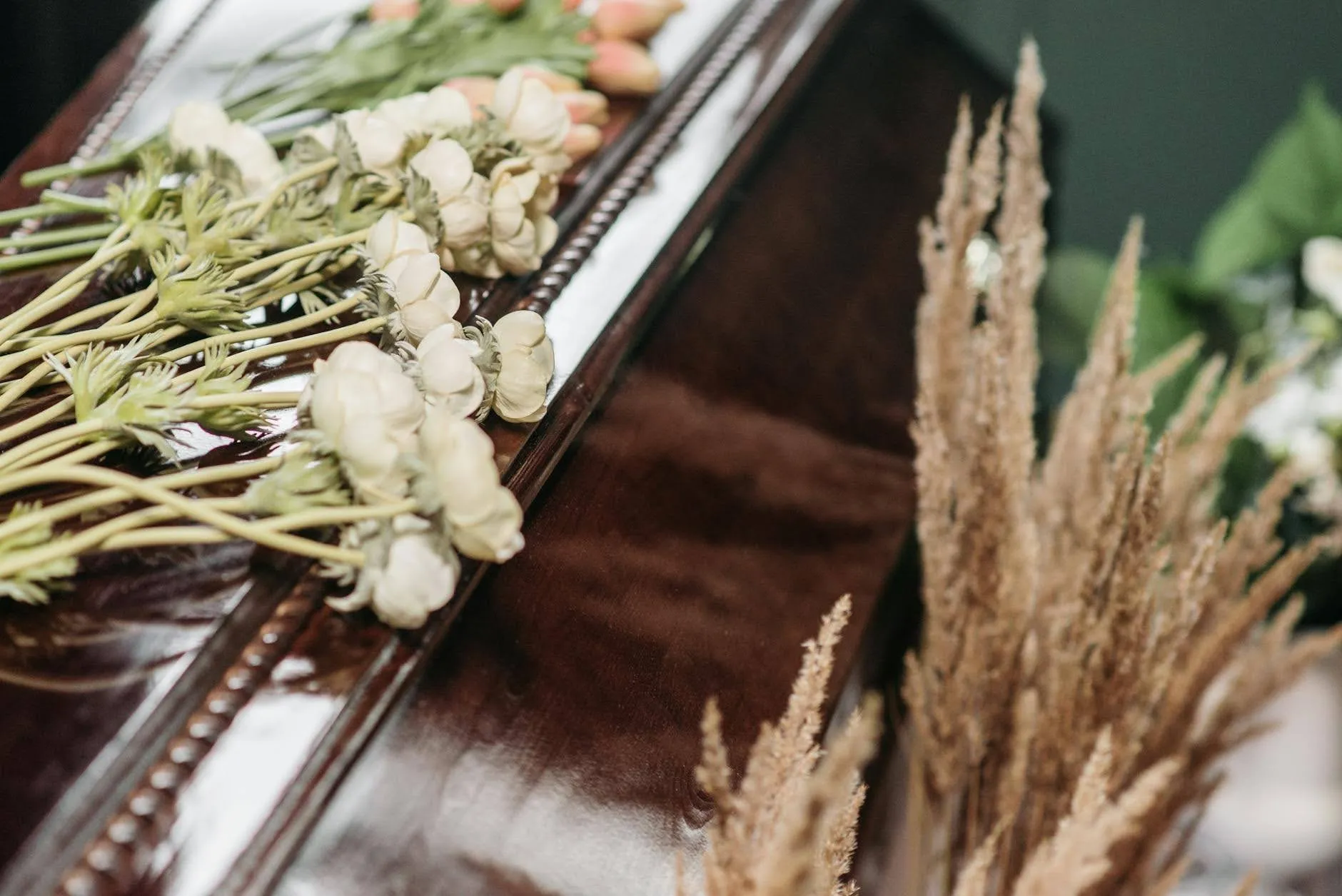
Direct cremation is the simplest and most affordable funeral arrangement available in Singapore. It means the body is cremated without a formal viewing, wake, or funeral ceremony beforehand.
The cremated remains are then returned to the family, who can choose to hold a separate memorial gathering, place the ashes in a columbarium niche, scatter them at sea, or keep them at home. In 2025, direct cremation costs in Singapore start from approximately $1,300.
What Does Direct Cremation Mean?
Direct cremation means the body goes directly from the place of death to the crematorium, without a public viewing, wake, or funeral ceremony. There is no embalming, and no multi-day tentage setup. The body is placed in a simple cremation casket and cremated usually on the same day or the next day (depending on the availability of NEA slots). The ashes are returned to the family, usually the same day if the cremation takes place in the morning, or the following morning if scheduled in the later part of the day.
This approach is growing in popularity in Singapore for several reasons. It significantly reduces the financial burden on the family. It allows families to grieve privately and hold a memorial on their own terms and timeline. And it is a more environmentally considerate option compared to a traditional multi-day wake with burning offerings and elaborate setup.
How Does Direct Cremation Work in Singapore?

The process for a direct cremation in Singapore is straightforward. Here is what happens from the moment of passing to the return of the ashes.
Step 1: Body Collection
After death is certified (in a hospital, at home, or at a hospice), the funeral director you engage will collect the body and transport it to the crematorium. This typically happens within a few hours of the death being reported.
Step 2: Documentation and Permits
Your funeral director will handle the required paperwork on your behalf. This includes the death certificate (registered by the hospital or a doctor), the cremation authorisation form signed by the next-of-kin, and the cremation permit issued by the relevant authority. The NEA oversees Singapore’s crematoriums, including Mandai Crematorium, the main government-run facility.
Step 3: Cremation
Cremation takes place at a Singapore crematorium, typically Mandai Crematorium for government-scheduled services. The body is placed in a combustible container. Cremation takes approximately 1 to 2 hours at temperatures of 870 to 980 degrees Celsius. Metal fragments are removed from the remains after cooling.
Step 4: Return of Ashes
The ashes are processed and placed in a container (either a basic container provided by the crematorium or an urn you supply). Families collecting in the morning typically receive the ashes the same day. Those with an afternoon cremation collect the following morning.
Step 5: What to Do With the Ashes
Once you have the ashes, you have several options in Singapore: place them in a columbarium niche (government niches from $500), scatter them at the Garden of Peace inland scattering garden ($320 per session), arrange a sea burial south of Pulau Semakau (from $100), or keep them at home in an urn. There is no Singapore law preventing families from keeping ashes at home, though HDB rules on individual units may apply.
How Much Does Direct Cremation Cost in Singapore?
Direct cremation is significantly more affordable than a traditional wake in Singapore. Here is a cost comparison to help you plan.
- Direct cremation (body collection, paperwork, cremation, ashes return): $1,300 to $2,500
- Traditional 3-day Buddhist wake: $6,000 to $8,000
- Traditional 3-day Taoist wake: $8,000 to $12,000+
- Government cremation permit at Mandai Crematorium: approximately $100 (for Singapore Citizens)
- Government columbarium niche (after cremation): from $500
The savings from choosing direct cremation over a traditional wake can range from $3,000 to $10,000 or more depending on the religion and complexity of the traditional arrangement. Funeral Guru connects families with direct cremation providers in Singapore who offer transparent pricing with no hidden fees.
Direct Cremation vs Traditional Funeral: What Is the Difference?
The key differences between a direct cremation and a traditional Singapore funeral are the presence of a wake and the associated ceremony. Here is a side-by-side comparison.
Direct cremation: no wake, no viewing, minimal ceremony, ashes returned to family, cost from $1,588, duration 1 to 2 days.
Traditional funeral: 3 to 7 day wake, full religious ceremony, viewing of the body, cost from $5,000 to $15,000+, requires venue, tentage, catering, and religious officiant.
Choosing direct cremation does not mean skipping a farewell entirely. Many families hold a separate memorial gathering, celebration of life, or private dinner after the cremation, at a time and place that suits them, free from the logistical pressure of coordinating a traditional wake.
Is Direct Cremation Suitable for All Religions in Singapore?
Singapore is a multi-religious society, and direct cremation is compatible with most, but not all, faiths.
Buddhism: Widely accepted. Cremation aligns with Buddhist teachings on impermanence, and a direct cremation can include a brief chanting session at the crematorium.
Taoism: Accepted. Core Taoist rites can be adapted for a shorter arrangement.
Christianity and Catholicism: Most denominations now accept cremation, and a direct cremation followed by a private memorial service is entirely compatible.
Hinduism: Cremation is central to Hindu funeral rites. Direct cremation is widely practised by Hindu families in Singapore.
Islam: Cremation is not permitted under Islamic law. Muslim families must opt for ground burial. Direct cremation is not an appropriate choice for Muslim families.
Can You Still Have a Memorial Service After Direct Cremation?
Yes, and many families choose to. Direct cremation gives families the freedom to separate the practical matter of cremation from the personal act of saying goodbye. A memorial service, celebration of life, or private gathering can be held days, weeks, or even months after the cremation, at a venue and in a format that reflects the personality of the person who has passed.
Common formats include a private family dinner at a restaurant meaningful to the deceased, a gathering at the family home, an outdoor memorial at a favourite place, or a virtual memorial for family members who cannot travel to Singapore.
What Happens to the Ashes After Direct Cremation in Singapore?
After direct cremation in Singapore, the family has four main options for the ashes.
Columbarium niche: The most common choice in Singapore. Government niches start from $500 for Singapore Citizens. Private columbariums offer premium niches from $3,000 to $200,000.
Ash scattering at the Garden of Peace/Garden of Serenity: $320 per session at the Choa Chu Kang Cemetery Complex. Same-day booking via NEA ePortal.
Sea burial: From approximately $100 for a basic permit arrangement. Takes place in waters south of Pulau Semakau.
Home storage: Keeping ashes at home in an urn is permitted in Singapore. There is no specific law against it, though HDB residents should check the rules of their building.
Conclusion On Direct Cremation
Direct cremation is the most affordable, flexible, and increasingly common funeral choice for Singapore families. At $1,588 to $2,500, it is a fraction of the cost of a traditional wake, and it gives the family full control over when, where, and how they say goodbye.
Funeral Guru offers Singapore families access to trusted, transparent direct cremation providers. You can compare pricing, understand what is included, and make an informed choice without pressure. Our Funeral Butler service provides free on-site support throughout the process at no cost to families.
Frequently Asked Questions About Direct Cremation in Singapore
What Is The Difference Between Direct Cremation And Regular Cremation?
Regular cremation in Singapore is typically part of a traditional funeral that includes a multi-day wake, viewing, and religious ceremony before the cremation. Direct cremation skips the wake and viewing entirely. The body goes directly from the place of death to the crematorium, reducing cost and complexity significantly.
How Long Does Direct Cremation Take In Singapore?
From the time of death to the return of ashes, direct cremation in Singapore typically takes 1 to 2 days. The cremation itself takes 1 to 2 hours. Families receiving ashes from a morning cremation typically collect on the same day. Afternoon cremations are usually ready for collection the following morning.
Can The Family Witness The Cremation In Singapore?
Yes. Families can request to witness the beginning of the cremation at Mandai Crematorium. This is a personal choice. Many families choose to be present for a final moment of prayer or a brief ceremony at the crematorium before the cremation begins.
Do I Need To Pre-Arrange A Columbarium Niche Before Direct Cremation?
No. You do not need to secure a columbarium niche before the cremation. Many families collect the ashes first and then decide on permanent placement. However, demand for government columbarium niches in Singapore can be high, so applying early for a preferred location is advisable.
How Much Does Direct Cremation Cost In Singapore?
Direct cremation in Singapore starts from approximately $1,588 and ranges up to $2,500 depending on the provider, the location of collection, and whether any additional services such as a brief prayer session at the crematorium are included.
Is Direct Cremation Available For All Races And Religions In Singapore?
Direct cremation is available for Buddhist, Taoist, Christian, Catholic, Hindu, and Freethinker families in Singapore. It is not appropriate for Muslim families, as Islamic law requires the intact body to be buried, not cremated.